
The Ultimate Guide to Buying an E-Bike in New Zealand
Thinking about buying an electric bike? Whether you're commuting around Masterton, exploring the Wairarapa or heading off on your next cycling adventure, choosing the right e-bike can make all the difference.
Electric bikes, commonly known as e-bikes, have transformed the way New Zealanders enjoy cycling. From everyday commuting to weekend adventures and mountain biking, e-bikes make it easier to travel further, tackle hills and enjoy more time outdoors.
But with so many different styles, motors, batteries and features available, knowing where to start can feel overwhelming.
At Waggs E-Bikes in Masterton, we understand that choosing an electric bike is about finding the right fit for your lifestyle, riding experience and budget.
In this guide, we'll walk you through everything you need to know before buying an e-bike in New Zealand.
What Is an E-Bike and How Does It Work?
An electric bike is a bicycle fitted with a battery-powered motor that provides assistance while you ride.
Most modern e-bikes use a pedal-assist system, meaning the motor provides additional power as you pedal. This makes cycling easier, particularly when riding uphill, travelling longer distances or carrying extra weight.
Unlike a motorcycle, a conventional pedal-assist e-bike is still designed to be ridden like a bicycle. You control how much assistance the motor provides, allowing you to choose between a more relaxed ride and a more active cycling experience.
The main components of an e-bike include:
Electric motor: Provides additional assistance while pedalling.
Rechargeable battery: Stores the energy needed to power the motor.
Controller and display: Allow you to select assistance levels and monitor information such as speed, battery charge and distance.
Pedal-assist sensors: Detect your pedalling and help determine how the motor responds.
The result is a cycling experience that can be tailored to your individual needs.

What Type of E-Bike Should You Buy?
One of the first things to consider when buying an e-bike in NZ is how you intend to use it.
Different electric bikes are designed for different riding conditions, so choosing the right style is just as important as selecting the right motor or battery.
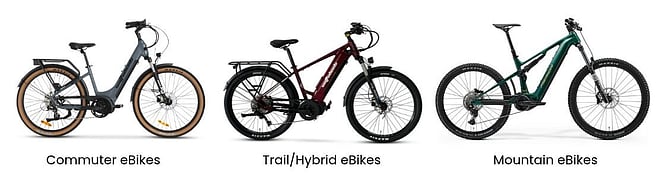
1. Electric Commuter Bikes
Electric commuter bikes are designed for everyday riding, including travelling to work, running errands and getting around town.
They generally prioritise comfort, practicality and ease of use.
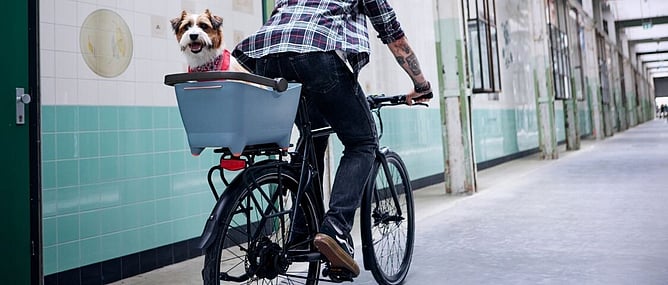
Many commuter e-bikes feature upright riding positions, comfortable seats, mudguards, lights and the ability to carry bags or baskets.
Best suited for: Daily commuting, shopping trips, recreational cycling and everyday transport.
For riders travelling around Masterton, Carterton or Greytown, a commuter e-bike can be a practical alternative to using the car for shorter journeys.
2. Electric Trail and Hybrid Bikes
Trail and hybrid e-bikes offer versatility for riders who enjoy a combination of sealed roads, cycleways and suitable gravel paths.
They typically feature more versatile tyres and a comfortable riding position, making them suitable for a range of everyday adventures.
Best suited for: Recreational riders, weekend adventures and cyclists who enjoy exploring different surfaces.
If you enjoy cycling through the Wairarapa countryside or exploring local cycle trails, a hybrid e-bike may offer the flexibility you're looking for.
3. Electric Mountain Bikes (E-MTBs)
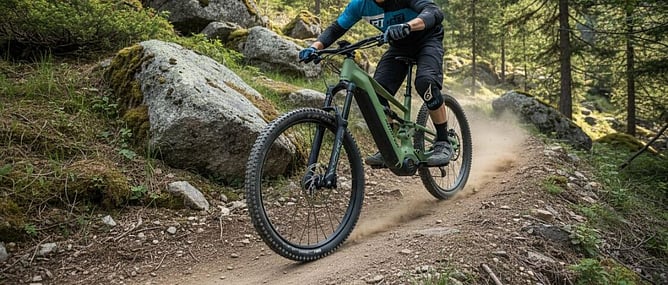
Electric mountain bikes are built for more demanding terrain, including off-road trails, hills and mountain biking adventures.
They feature robust frames, wider tyres and components designed to handle challenging riding conditions.
Electric mountain bikes generally fall into two categories:
Hardtail electric mountain bikes
These have front suspension but no rear suspension. They are often lighter, mechanically simpler and more affordable than comparable full-suspension models.
Full-suspension electric mountain bikes
These feature suspension at both the front and rear, providing additional traction and control on rough terrain.
Best suited for: Off-road adventures, mountain biking, technical trails and riders wanting additional assistance on climbs.
For riders looking to explore more challenging trails around the Wairarapa and beyond, an electric mountain bike can open up new riding opportunities.
Understanding E-Bike Motors: What Should You Look For?
The motor is one of the most important components of an electric bike.
It determines how assistance is delivered and can significantly influence the overall riding experience.
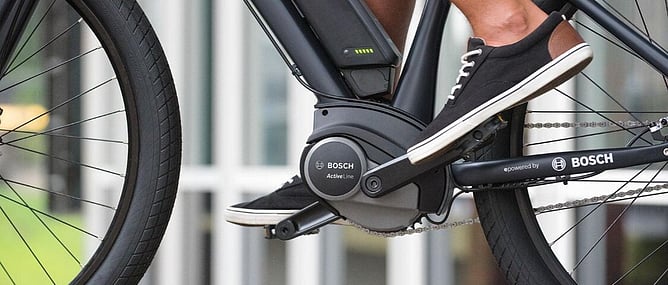
Mid-Drive vs Hub-Drive Motors
Two common motor configurations are mid-drive and hub-drive systems.
Mid-drive motors are positioned near the pedals and drive through the bike's drivetrain. They can provide natural-feeling assistance and work effectively across varying terrain when the rider uses appropriate gears.
Hub-drive motors are located within the front or rear wheel. They are commonly found on commuter and recreational e-bikes and can provide straightforward, reliable assistance.
Neither system is automatically better for every rider.
The ideal choice depends on how and where you plan to ride, the bike's overall design and your budget.
What Does Motor Torque Mean?
Motor torque is commonly measured in Newton metres (Nm).
In simple terms, torque describes the rotational force produced by the motor.
Higher torque can be particularly beneficial when accelerating, climbing hills or tackling challenging terrain.
However, torque is only one part of the equation. Motor tuning, gearing, bike weight and the way assistance is delivered all contribute to how an e-bike performs.
If you're comparing electric bikes, a test ride is one of the best ways to experience these differences for yourself.
E-Bike Batteries: How Far Can You Travel?
Battery capacity is another important consideration when buying an electric bike.
Most e-bike batteries are rated in watt-hours (Wh), which indicates how much energy the battery can store.
Generally, a larger battery capacity provides the potential for greater riding range, although actual performance depends on several factors.
What Affects E-Bike Battery Range?
Your e-bike's range can vary depending on:
Terrain: Climbing hills generally requires more energy than riding on flat roads.
Assistance level: Higher motor assistance typically uses more battery power.
Rider and luggage weight: Heavier loads can increase energy consumption.
Weather conditions: Strong winds and cold temperatures can affect range.
Tyre pressure and riding surface: Soft tyres and rough terrain can increase resistance.
Riding style: Frequent acceleration and high assistance settings can reduce available range.
When comparing e-bikes, it's important to remember that manufacturer range estimates are guides rather than guarantees.
If you regularly ride longer distances or encounter steep terrain, choosing a bike with suitable battery capacity is particularly important.
How Much Should You Spend on an E-Bike in New Zealand?
Electric bike prices in New Zealand vary considerably depending on the brand, motor system, battery capacity, frame design and components.
Rather than choosing an e-bike based on price alone, consider what you're getting for your investment.
A quality electric bike should offer a suitable combination of comfort, performance, reliability and after-sales support.
When comparing bikes, look beyond the initial purchase price and consider:
Motor and battery quality
Frame design and overall comfort
Braking and gear systems
Warranty coverage and conditions
Availability of replacement parts
Local servicing and maintenance support
Suitability for your intended riding conditions
For occasional recreational riding, you may not need the same level of equipment as someone regularly tackling demanding mountain bike trails.
The best e-bike isn't necessarily the most expensive one. It's the bike that suits your riding needs and gives you confidence every time you head out.
Are E-Bikes Worth Buying?
For many New Zealanders, an electric bike can be a worthwhile investment.
The additional motor assistance can make cycling more accessible and enjoyable, particularly for people who want to travel further, manage hills more comfortably or ride more regularly.
Benefits of Owning an E-Bike
1. Make everyday commuting easier
An electric bike can be a convenient way to travel shorter distances without relying on a car for every journey.
2. Enjoy longer rides
Motor assistance can make longer cycling adventures feel more achievable.
3. Stay active
E-bikes still encourage physical activity, with riders able to adjust assistance to suit their fitness and comfort levels.
4. Tackle hills with greater confidence
Motor assistance can make climbing hills less demanding, particularly when riding into strong winds or carrying extra weight.
5. Explore more of New Zealand
From local cycleways to scenic countryside routes and mountain biking trails, an e-bike can help you discover new places and enjoy more time outdoors.
What Are the E-Bike Rules in New Zealand?
Before purchasing an electric bike, it's important to understand the rules that apply to riding one in New Zealand.
Under NZ Transport Agency Waka Kotahi's definition, a power-assisted cycle is designed primarily to be propelled by the rider and has an auxiliary electric motor with a maximum power output not exceeding 300 watts.
Qualifying power-assisted cycles are generally subject to the same road rules as ordinary bicycles.
Riders must follow applicable cycling rules, including helmet requirements and road safety obligations.
Not every powered bicycle automatically qualifies as a power-assisted cycle. If you're considering a high-powered model or a bike with unusual throttle operation, check its legal classification before riding it on public roads.
Trail access also varies. Some shared paths, mountain bike tracks and conservation areas have specific restrictions on electric bikes.
Always check the rules for your intended riding location.
For official guidance, visit the NZ Transport Agency Waka Kotahi website.
Why Test Riding an E-Bike Matters
With so many different styles and configurations available, specifications alone don't always tell the full story.
Two electric bikes with similar motors and battery capacities can feel completely different to ride.
A test ride allows you to experience important features such as:
Riding position and overall comfort
Frame size and fit
Motor assistance and responsiveness
Braking performance
Handling and balance
Ease of mounting and dismounting
Display controls and assistance settings
At Waggs E-Bikes in Masterton, we offer free test rides to help customers experience different electric bikes before making a decision.
Whether you're purchasing your first e-bike or upgrading your current model, trying a bike in person can make choosing the right one much easier.
Why Buy Your E-Bike Locally in Wairarapa?
Buying an e-bike is more than a one-off purchase. Having access to ongoing advice, maintenance and servicing can make a real difference throughout your ownership experience.
At Waggs E-Bikes, we offer a range of electric commuter, trail and mountain bikes, along with accessories and in-store bike servicing.
Our Masterton showroom gives customers the opportunity to explore different styles, ask questions and experience bikes before buying.
For customers throughout Masterton, Carterton, Greytown, Featherston, Martinborough, Eketāhuna and surrounding regions, we're conveniently located in the heart of the Wairarapa.
Find Your Perfect E-Bike at Waggs E-Bikes Masterton
Whether you're commuting around town, enjoying weekend rides or taking on new trails, the right electric bike can completely change the way you experience cycling.
At Waggs E-Bikes, we're here to help you find a bike that suits your lifestyle, experience and budget.
Explore our range of electric bikes online, or visit our Masterton showroom to speak with our team and arrange a free test ride.
Visit Waggs E-Bikes
87–93 Dixon Street, Masterton, Wairarapa
Phone: (06) 377 5169
Explore our electric bike range and discover where your next adventure could take you.